


During peak hours in a quick service restaurant (QSR), efficiency becomes the difference between smooth service and frustrated customers. Long queues form at the counter, online delivery orders continue to arrive, and staff must process transactions quickly while maintaining accuracy.
This is where the best POS system for quick service restaurants becomes essential. Unlike POS systems used in fine dining environments, a QSR POS hardware and software system focuses on speed, simplicity, and high-volume order management.
Quick service restaurants rely on fast order entry, real-time inventory tracking, and efficient kitchen communication. Without the right system, businesses may experience slow checkout times, order errors, and poor inventory control.
For businesses such as fast food chains, milk tea shops, kiosks, and food court counters, choosing the best POS system for quick service restaurants can significantly improve operations and customer satisfaction.
In this guide, we will explore the key features of a QSR POS system, compare popular POS solutions, discuss costs and ROI, and explain how restaurant owners can choose the right POS for their business.
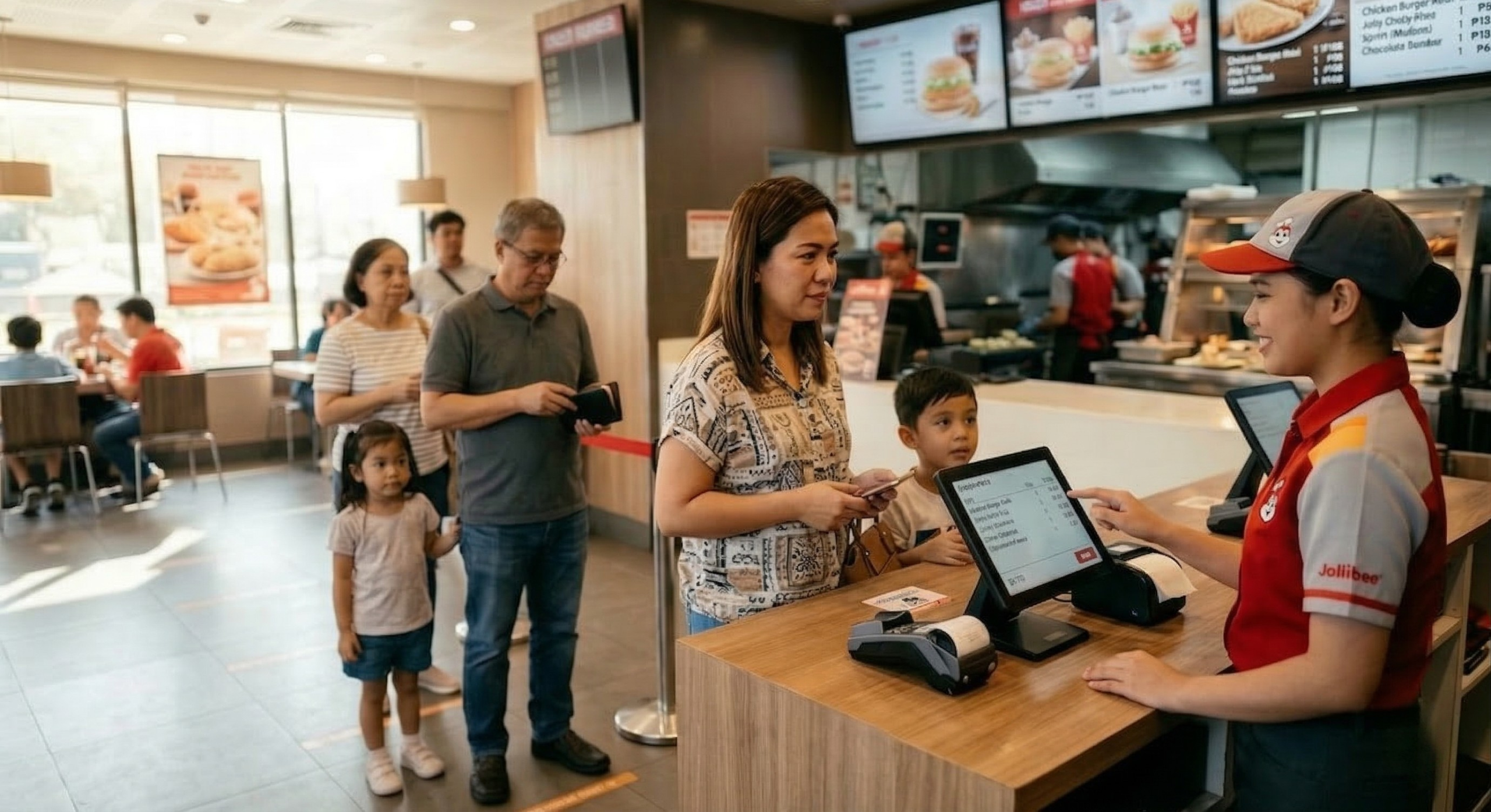
What Makes a QSR POS System Unique
A POS system for quick service restaurants differs significantly from systems designed for traditional dining establishments.
Quick service restaurants operate with high order volume and rapid customer turnover. This means POS systems must support extremely fast transaction processing without delays.
Orders often arrive from multiple channels including:
- Counter ordering
- Drive-thru windows
- Mobile ordering apps
- Delivery platforms
- Online ordering systems
A well-designed QSR POS system integrates all these channels into a single platform to reduce confusion and manual data entry.
Another important factor is menu simplicity. Quick service restaurants typically offer combo meals, add-ons, and promotions. The POS system must allow staff to select these items quickly with minimal training.
Communication between the cashier and the kitchen is also critical. Kitchen display systems or automatic ticket printing allow staff to prepare orders immediately.
Because many QSR businesses employ younger staff or seasonal workers, the POS system must also be intuitive and easy to learn.
Key Features to Look for in the Best POS System for Quick Service Restaurants
Fast Order Entry
The best POS system for quick service restaurants should allow staff to enter orders rapidly using touchscreen menus and customizable buttons.
Quick item selection reduces queue times and improves customer satisfaction.
Multi-Channel Order Management
Modern QSR businesses often receive orders from multiple sources. A POS system should integrate:
- Counter orders
- Online orders
- Delivery platforms
- Mobile app orders
Centralizing these channels prevents duplicate orders and improves accuracy.
Kitchen Display System Integration
Kitchen display systems allow orders to appear instantly on digital screens inside the kitchen. This eliminates manual communication and speeds up order preparation.
Inventory Tracking
A reliable POS system provides real-time inventory tracking so restaurants can monitor stock levels and avoid selling items that are out of stock.
Flexible Payment Processing
Customers expect flexible payment options. The best POS system should support:
- Cash payments
- Credit and debit cards
- Mobile wallets
- QR payments
Fast payment processing keeps lines moving during busy periods.
Sales Reporting and Analytics
Sales reports provide valuable insights into:
- Peak hours
- Best-selling menu items
- Revenue performance
- Staff productivity
These insights help restaurant owners optimize operations.
Local Considerations for POS Systems in the Philippines
When selecting the best POS system for quick service restaurants in the Philippines, several local factors should be considered.
First, compliance with BIR regulations is required for proper receipt issuance and tax reporting.
Second, many customers use digital payment platforms such as GCash, Maya, and QR Ph, so the POS system should support these payment options.
Hardware reliability is also important. POS equipment must operate in busy kitchen environments where heat and humidity may affect performance.
Finally, business owners should evaluate the availability of local technical support and system maintenance services.
For example, businesses looking for locally supported systems may explore solutions such as Condor POS Solutions, which provides structured POS systems designed for high-turnover retail food operations.
Cost vs Value of a QSR POS System
Investing in the best POS system for quick service restaurants involves several costs.
Typical expenses include:
- POS terminals or touchscreen registers
- Receipt printers and kitchen printers
- Software subscription fees
- Payment processing charges
Although these costs may appear significant, a modern POS system can deliver strong returns by improving efficiency.
Faster transactions allow restaurants to serve more customers, while inventory tracking reduces waste and improves cost control.
Over time, these benefits can significantly increase profitability.
How to Choose the Best POS System for Your QSR
Choosing the right POS system starts with understanding your restaurant’s business model.
Some quick service restaurants operate primarily through counter service, while others rely heavily on drive-thru orders or delivery platforms.
Restaurant owners should evaluate:
- Order volume during peak hours
- Required payment methods
- Inventory management needs
- Integration with online ordering systems
Testing the POS system through demonstrations or trial periods can help determine whether it meets operational requirements.
Business owners should also consider long-term scalability if they plan to expand into multiple locations.
Example Scenario
A milk tea shop previously relied on a simple cash register to process orders. During busy evenings, the staff struggled to manage large queues while tracking inventory manually.
After implementing a modern QSR POS system, the shop improved order processing speed, automated kitchen ticket printing, and gained real-time sales reports.
This resulted in faster service, fewer errors, and improved customer satisfaction.
Future Trends in Quick Service Restaurant POS Systems
The restaurant industry continues to adopt new technology to improve efficiency.
Emerging trends include:
- Self-service ordering kiosks
- Mobile ordering apps
- Contactless payment solutions
- Integration with delivery platforms
- AI-driven sales forecasting
These technologies are helping quick service restaurants operate more efficiently while enhancing customer convenience.
Frequently Asked Questions About QSR POS Systems
What is a QSR POS system?
A QSR POS system is a point-of-sale system designed specifically for quick service restaurants. It focuses on fast order processing, simplified menus, and efficient kitchen communication.
Why do quick service restaurants need a specialized POS system?
Quick service restaurants handle high transaction volumes. A specialized POS system helps manage orders quickly while maintaining accuracy and efficient inventory tracking.
How much does a QSR POS system cost?
Costs vary depending on the provider, hardware requirements, and software subscription plans. Small businesses may spend a few hundred dollars, while larger restaurants may invest several thousand for a complete system.
What features should a QSR POS system have?
Important features include fast order entry, inventory tracking, payment integration, reporting tools, and kitchen display system compatibility.
Conclusion
Choosing the best POS system for quick service restaurants is one of the most important decisions for food businesses operating in fast-paced environments.
A reliable POS system helps restaurants process orders quickly, manage inventory effectively, and provide better customer service.
Before selecting a POS provider, restaurant owners should compare features, evaluate long-term costs, and test the system in real operational scenarios.
With the right POS system in place, quick service restaurants can improve efficiency, increase revenue, and support long-term growth.
