
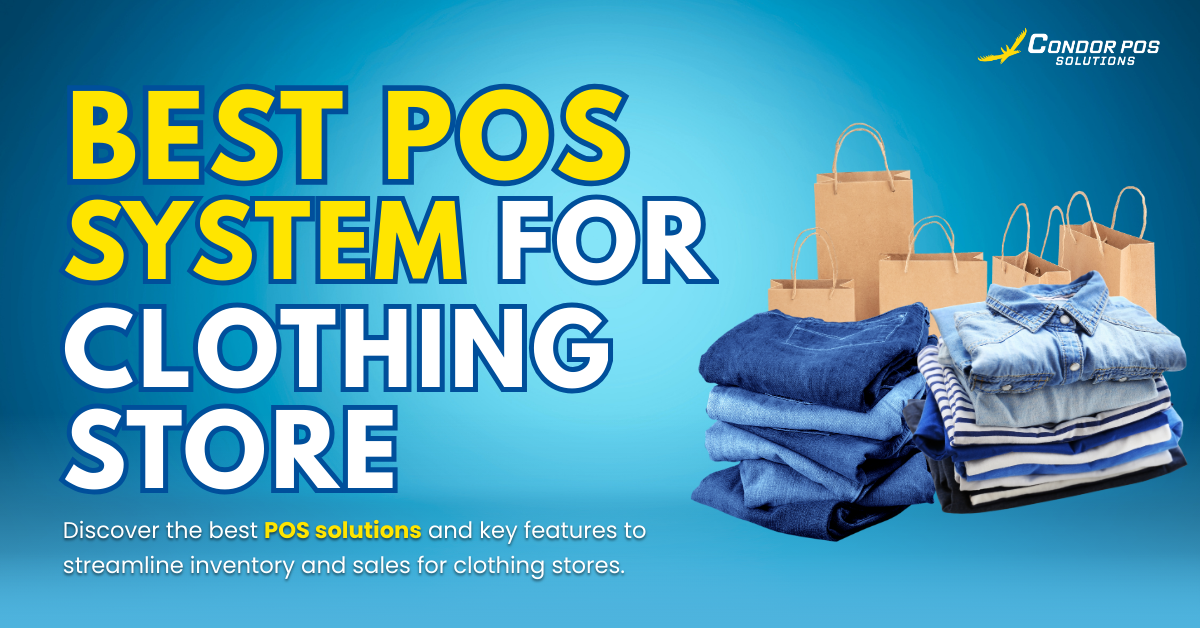
Fashion retail moves fast. Clothing stores handle seasonal trends, multiple sizes and colors, and constant inventory changes. Because of this, they have different needs compared to other retail businesses. Managing apparel products requires accurate tracking, fast checkout, and efficient return handling.
However, many POS systems are built for general retail. They often lack features designed for fashion stores, such as size and color management or flexible exchange processes. As a result, clothing retailers may experience inventory errors, slow transactions, and poor customer experience.
Choosing the best POS system for clothing stores helps solve these problems. A good system improves inventory control, speeds up sales, and supports better customer service. This guide explains what makes a clothing store POS system effective, including key features, top providers, costs, and tips for choosing the right solution.
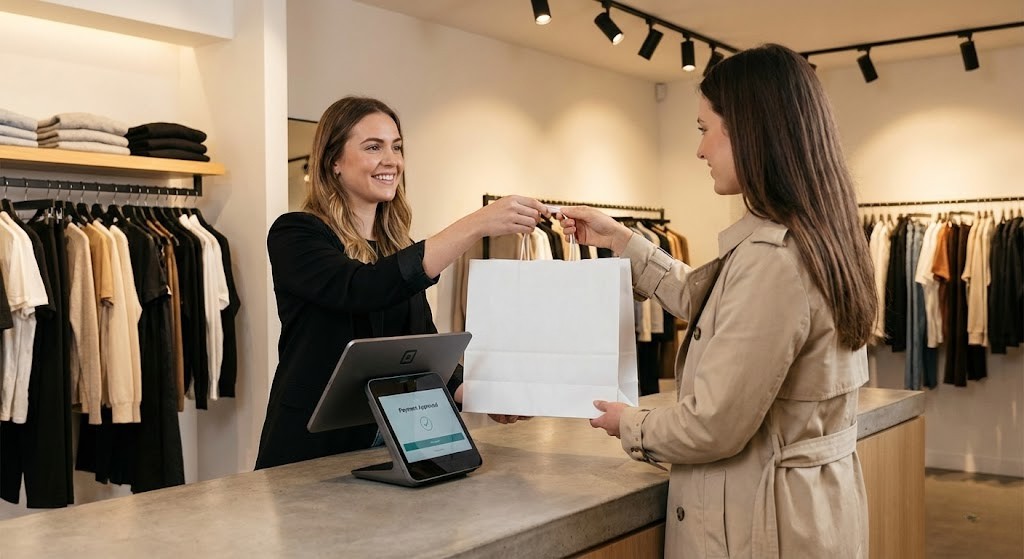
Why Clothing Stores Need a Specialized POS System
Clothing stores manage more complex operations than most retail businesses. A specialized POS system helps handle these challenges efficiently.
Key reasons include:
-
Complex inventory management
Products come in multiple sizes, colors, styles, and materials. A specialized POS system tracks these variations accurately. -
Frequent returns and exchanges
Apparel stores regularly process size changes and product replacements. Efficient return workflows are essential. -
Multiple sales channels
Many retailers sell through physical stores, online platforms, and pop-up shops. A modern POS system synchronizes data across all channels. -
High customer expectations
Customers expect fast checkout, personalized service, and loyalty rewards. -
Seasonal demand and promotions
Fashion retail relies heavily on markdowns, clearance sales, and trend-based pricing.
Key Features to Look for in a Clothing Store POS System
Choosing the best POS system for clothing stores starts with understanding the essential features.
Essential features include:
-
Variant or matrix inventory management
Tracks products by size, color, and style with accurate stock updates. -
Omnichannel integration
Connects online stores, physical locations, and marketplaces. -
Flexible payment methods
Supports cash, cards, digital wallets, gift cards, and partial payments. -
Returns and exchange management
Simplifies refunds and automatically updates inventory. -
Customer Relationship Management (CRM)
Tracks purchase history and manages loyalty programs. -
Reporting and analytics
Provides insights into best-selling items, sales trends, and performance. -
User-friendly interface
Requires minimal staff training and enables faster checkout. -
Hardware compatibility
Works with POS hardwares like barcode scanners, receipt printers, and mobile devices. -
Localization and compliance
Supports tax rules, invoice requirements, and local payment systems. -
Support and reliability
Includes backups, cloud storage, and offline functionality.
Top POS Systems for Clothing Stores
Choosing the best POS system for a clothing store starts with how you actually sell: fast checkout during rush hours, lots of product variants (sizes, colors), and frequent returns or exchanges. Look for a POS that handles matrix inventory smoothly, so one “shirt” can have multiple SKUs without confusing your stock counts. It should also support barcode scanning, quick product search, and flexible pricing rules (sale prices, discounts, bundles, “buy 2 get 1,” etc.) without slowing down the cashier. If you sell both in-store and online, prioritize a system that can keep inventory aligned across channels so you don’t oversell popular sizes.
Next, focus on inventory and merchandising features that matter specifically for apparel. A strong POS should track stock by size/color, support stock transfers between branches, and provide low-stock alerts for best-sellers. It’s also helpful if it can manage purchase orders, receiving, and supplier tracking—especially if you restock often. Reporting should go beyond “what sold” and show what’s selling by variant, what’s frequently returned, and which items are stuck in slow-moving sizes. These insights help you plan reorders smarter and avoid tying up cash in dead stock.
Since clothing stores deal with a lot of exchanges, make sure the POS handles returns and store credit cleanly, with clear audit trails (who processed what, when, and why). Loyalty and customer profiles can be useful too—like tracking purchase history for quick recommendations or allowing easy “look up receipt” returns. If you have multiple staff, choose one with role-based permissions (cashier vs supervisor) and strong security features. Also check whether it supports multiple payment options common in your area (cards, QR payments, e-wallets) and whether it integrates with your accounting and ecommerce tools if you use them.
Finally, don’t ignore practical stuff: reliability, support, and total cost. Ask about offline mode (so you can still sell during internet issues), POS hardware compatibility, and how easy it is to train new staff. Compare pricing based on what you’ll really use—number of registers, branches, users, and add-ons like ecommerce sync or advanced reporting. The “best” POS is the one that fits your store workflow today, can scale when you add branches or online selling, and gives you accurate inventory and clean reporting without making checkout harder.
Local Considerations in the Philippines and Southeast Asia
Retailers in the Philippines should consider local operational requirements when selecting a POS system.
Important factors include:
-
Tax compliance
Must meet Bureau of Internal Revenue (BIR) requirements. -
Local payment support
Should support digital wallets and local payment gateways. -
Local hardware and technical support
Ensures reliable service and maintenance. -
Internet reliability
Offline functionality prevents business disruptions. -
Local providers
Solutions like Condor POS Solutions offer features tailored for Philippine retailers, including variant inventory tracking and local support.
Cost vs Value
The cost of a clothing store POS system includes both initial and ongoing expenses.
Typical costs include:
-
Software subscriptions
-
Hardware purchases (terminals, scanners, printers)
-
Transaction and payment gateway fees
-
Support and maintenance costs
-
Cloud storage or add-on features
Despite these costs, the return on investment is significant. Better inventory control reduces errors, faster checkout improves customer satisfaction, and accurate reporting supports better decision-making.
Challenges and Trade-Offs
Implementing a new POS system may present several challenges.
Common challenges include:
-
Staff training requirements
-
Integration with existing systems
-
Dependence on internet connectivity
-
Hardware maintenance costs
-
Data migration from old systems
-
Paying for unused features
Careful evaluation helps businesses avoid unnecessary costs and operational issues.
How to Choose the Best POS System for Your Clothing Store
Selecting the right POS system requires careful planning.
Follow these steps:
-
Determine your business size and growth plans.
-
Identify must-have features and optional tools.
-
Check vendor support and local service availability.
-
Test demos or free trials.
-
Evaluate hardware requirements and total costs.
-
Read reviews from similar clothing retailers.
-
Consider integration with eCommerce and accounting tools.
How a Clothing Store Improved Operations with a New POS
A small clothing boutique in the Philippines previously used a basic POS system. The store struggled with incorrect inventory records, slow checkout, and difficult returns.
After upgrading to a fashion-focused POS system, the business improved stock accuracy and reduced manual work. Checkout became faster, and return handling became easier. The new system also provided detailed sales reports, helping the store identify best-selling items and improve inventory decisions. As a result, the business increased efficiency and customer satisfaction.
Conclusion
The best POS system for clothing stores depends on your business needs, inventory complexity, and growth plans. A suitable system improves efficiency, reduces errors, and enhances customer experience through better inventory management, faster transactions, and accurate sales tracking. Before choosing a POS system, evaluate features, costs, and vendor support carefully. Try demos, compare providers, and prioritize solutions that support long-term growth.
Investing in the right POS system helps clothing retailers streamline operations and stay competitive in the fast-moving fashion industry. If you want a reliable solution designed for retail businesses, book a free demo with Condor POS Solutions today and see how the system can help manage inventory, improve sales efficiency, and grow your clothing store.