

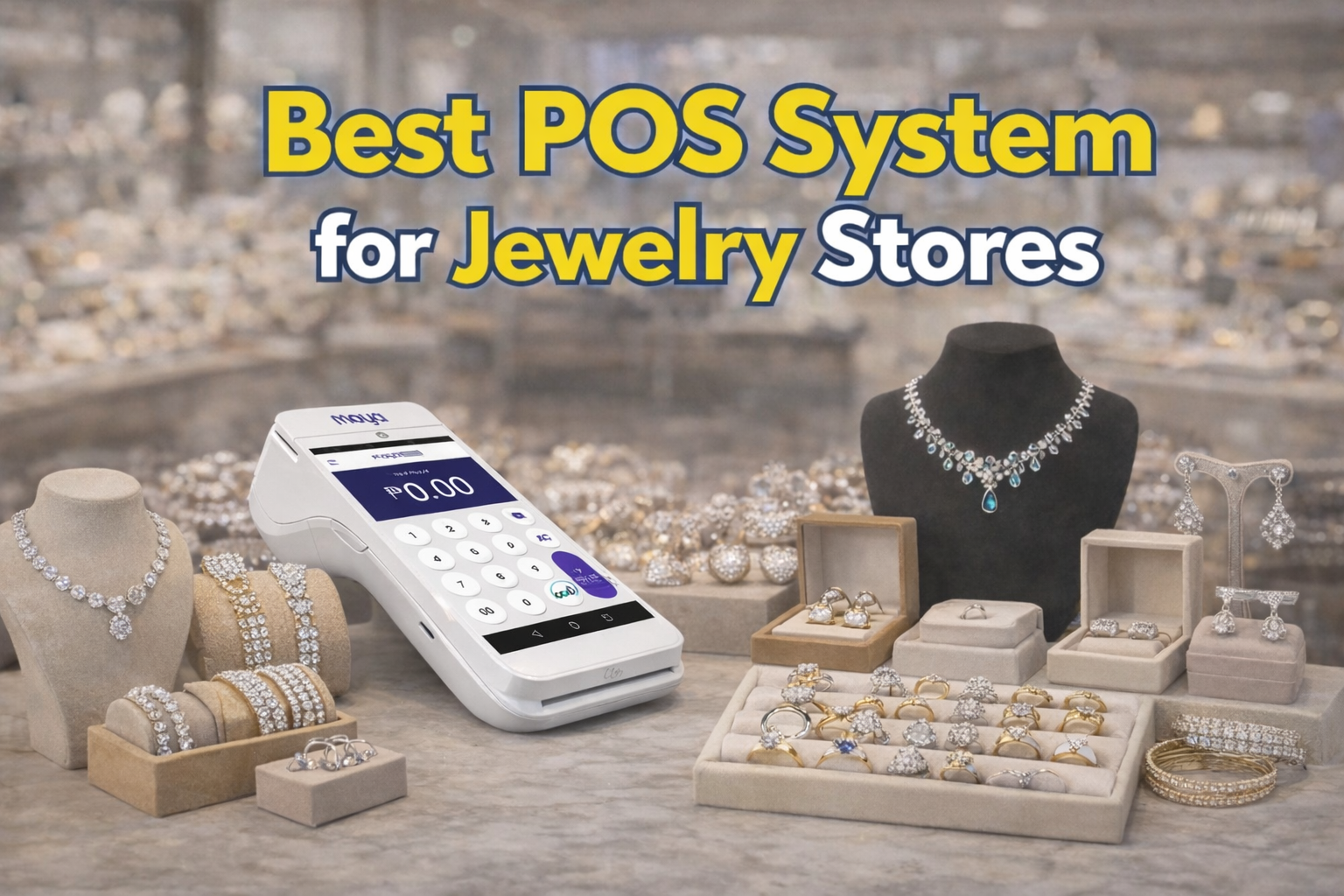
Jewelry stores handle high-value, often one-of-a-kind items. Customers expect luxury service, perfect accuracy, and complete trust. A single mistake—such as misplaced inventory, incorrect pricing, or a lost repair order—can damage both your reputation and your margins.
A jewelry store POS system is more than a cash register. It is a specialized point-of-sale solution designed to manage serialized inventory, custom work orders, repairs, appraisals, certificates, trade-ins, deposits, and loyalty programs. It supports the unique workflows that jewelers rely on every day.
Generic retail POS hardware and software systems often fall short. They may struggle with tracking individual items by certificate number, managing resizing jobs, or storing appraisal documents. For a jewelry business, these gaps create risk.
In this guide, you will learn the key features to look for in a jewelry POS system, review top POS systems for jewelers, understand cost versus value, and discover how to choose the best solution for your store.
Unique Needs & Challenges of Jewelry Stores
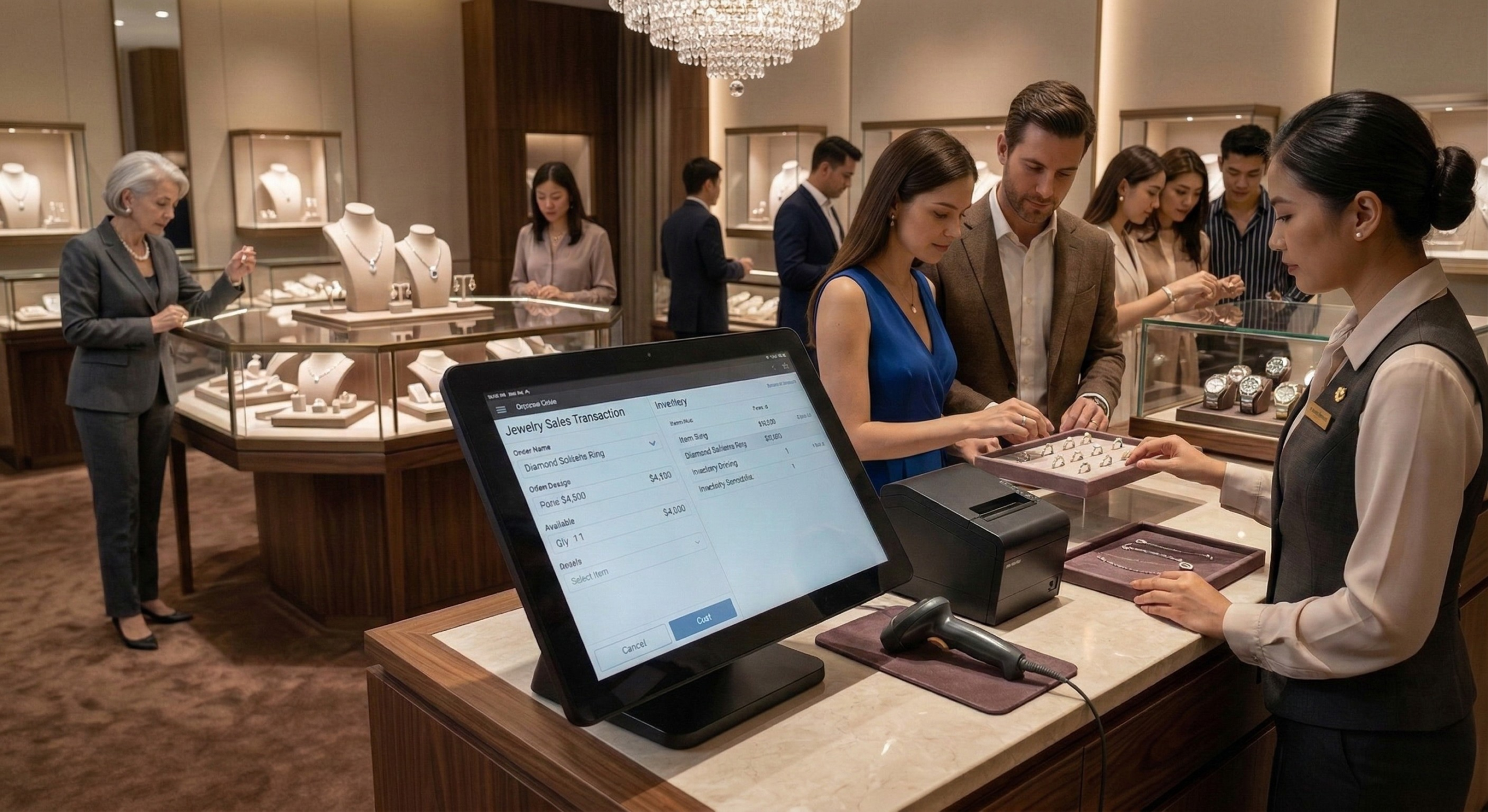
Jewelry retailers face challenges that most other stores do not.
High-Value, Serialized Inventory
Each piece may differ by metal type, gemstone, carat weight, cut, and certification. Many items require unique serial numbers or certificate tracking. A jewelry POS system must support individual item tracking, not just SKU-level inventory.
Repairs, Resizing & Custom Work
Customers frequently request resizing, repairs, or custom designs. You need a system that creates work orders, tracks progress, sets deadlines, and notifies customers.
Appraisals, Certifications & Trade-Ins
Jewelry stores often provide appraisal documents and handle certified gemstones. Trade-in valuation is also common. A strong POS system should store and generate these records easily.
Layaway, Deposits & Open Orders
High-ticket items often involve partial payments or layaway. Your POS system must track deposits, payment schedules, and open orders without confusion.
Security & Insurance Compliance
Jewelry is small but valuable. Audit trails, user permissions, and detailed inventory logs help reduce shrinkage and support insurance requirements.
Customer Relationship & Trust
Jewelry purchases are emotional and personal. Clients expect tailored service and reminders for special occasions. A POS with CRM tools helps build long-term loyalty.
Key Features to Look for in a Jewelry Store POS System
Choosing the best POS system for jewelry stores means focusing on features that match jewelry retail needs.
1. Serialized Inventory & Unique Item Tracking
Each piece often has a unique certificate or serial number. Your POS system must track items individually and maintain detailed records.
2. Repair & Custom Work Order Management
You should be able to log repairs, resizing jobs, and custom orders. The system should track status updates and connect them to customer records.
3. Appraisal & Certification Management
Look for document storage and digital appraisal generation. This keeps everything secure and accessible.
4. Layaway, Deposits & Open Orders
The system must handle partial payments and track outstanding balances without manual spreadsheets.
5. Detailed Inventory Attributes
Jewelry requires complex attributes such as metal type, gemstone, carat weight, designer, and finish. Your POS system should filter and search easily using these details.
6. Pricing Flexibility for Precious Metals
Gold, silver, and platinum prices fluctuate. A jewelry POS system should allow pricing adjustments based on metal costs and maintain clear margin tracking.
7. Multi-Channel & E-Commerce Integration
If you sell online, your POS system must sync inventory and pricing in real time. This prevents overselling and keeps data accurate.
8. CRM & Loyalty Tools
Customer history, anniversary reminders, and loyalty rewards encourage repeat purchases.
9. Security & Audit Trails
Role-based permissions and transaction logs reduce theft risk and improve accountability.
10. Advanced Reporting
You should see reports on margins by metal type, gemstone, designer, or collection. This helps you identify bestsellers and slow-moving stock.
11. Mobile & Flexible POS
Tablets and mobile terminals are useful at trade shows or for assisting customers on the showroom floor.
Top POS Systems for Jewelry Stores
Below are several strong POS systems to consider for jewelry retailers — with Condor POS Solutions featured first.
Condor POS Solutions
Strengths:
- Customizable POS platform adaptable for jewelry workflows
- Real-time inventory tracking with detailed reporting
- Multi-payment support including cards and e-wallets
- CRM tools for customer history and loyalty tracking
- Scalable for multi-branch operations
- Offline mode with data syncing
- Local support and implementation assistance
Considerations:
- Not jewelry-specific out of the box; may require configuration for serialized inventory, repair tracking, and appraisal documentation
- Advanced jewelry modules may require customization
Cost vs Value: What to Expect
A jewelry POS system is an investment.
Upfront Costs
You may need barcode scanners, secure terminals, tablets, and possibly RFID tags.
Software Fees
Most POS systems charge monthly subscription fees. Advanced modules for repairs or appraisals may cost extra.
Payment Processing Fees
High-ticket items mean higher transaction fees. Compare payment gateway rates carefully.
Hidden Costs
Data backups, updates, support plans, and training can add to total cost.
ROI Considerations
The best POS system for jewelry stores reduces shrinkage, prevents errors, improves customer retention, and increases revenue from custom work. Over time, these benefits often outweigh the cost.
Local & Regional Considerations
Your POS system should support local payment methods, including credit cards and digital wallets. It must also comply with tax laws and consumer protection regulations for luxury goods.
Consider internet reliability. Offline mode is important if your connection drops. Also check for local hardware support and security integration.
Cultural expectations matter too. In many markets, customers expect detailed documentation and flexible payment options such as layaway or financing.
How to Choose the Best POS System for Your Jewelry Store
Start by defining your store profile. Consider:
- Store size
- Number of pieces in stock
- Custom vs ready-made items
- Repair services offered
- Number of locations
Next, list your must-have features. Separate non-negotiables from nice-to-haves.
Request demos and test repair modules, appraisal workflows, and reporting tools. Make sure the system handles real-life scenarios smoothly.
Evaluate staff usability. Speed and simplicity are essential in a luxury setting.
Finally, calculate total cost over two to three years. Include subscriptions, hardware, training, and support.
Case Study Example
A mid-sized jewelry store used a generic retail POS system. They struggled with tracking repairs and storing appraisal documents. Inventory mismatches became common, and follow-ups were slow.
After switching to a jewelry-focused POS system, they gained better control over serialized inventory and work orders. Repair tracking improved. Appraisals were stored digitally. Customer reminders increased repeat purchases.
Within one year, the store reduced shrinkage and increased revenue from custom work. The key lesson: choose a POS system built for jewelry workflows and train staff thoroughly.
Future Trends in Jewelry POS Systems
Jewelry POS technology continues to evolve.
RFID and smart tags improve loss prevention. Augmented reality tools support virtual try-ons. Online and offline sales channels are becoming fully integrated.
Digital certificates and blockchain-based authentication are emerging for gemstone verification. Flexible payment options like buy-now-pay-later are growing in popularity.
Mobile POS systems are also expanding, allowing secure sales at trade shows and events.
Conclusion
The best POS system for jewelry stores goes far beyond basic checkout. It should support serialized inventory tracking, repair and custom work orders, appraisal management, detailed reporting, and strong security controls. These capabilities help jewelry retailers maintain accuracy, protect valuable inventory, and deliver the high level of service customers expect.
Choosing the right solution depends on your store’s size, services, and growth plans. By evaluating your operational needs, testing real workflows, and considering long-term costs, you can select a POS system that improves efficiency, reduces losses, and strengthens customer relationships.
Book a free demo with Condor POS Solutions to see how these capabilities can transform your jewelry store operations.
