

One of the most essential things that every store or service-based business needs to do at the end of the day is to balance the cash box. It ensures that all cash transactions match the records kept by your POS hardware, keeping your finances honest and accurate. A properly balanced box shows how sincere and disciplined your team is and helps prevent problems like theft, mistakes made by people, and reporting issues. If you do it regularly, it turns into a strong habit that helps your business run smoothly.
Getting Ready To Balance The Cash Drawer
It’s essential to get ready before you start counting cash. Set aside a time to balance, like the start or end of each shift or work day. Having a habit helps you be more disciplined and clear your mind. Assign this job to a trained worker to ensure they are responsible and pay attention. To avoid mistakes, count in a quiet place and free of other things that could distract you. The result is more accurate when there are fewer delays.
A Step-By-Step Guide On How To Balance A Cash Drawer

1. At The Start, You’ll Have A Set Amount Of Cash
The cash box should have a set amount of money at the start of each shift. This is called the “float.” This float usually has small amounts of money, like coins and smaller bills, so it’s easier to give change. If this amount stays the same, it’s easier to keep track of changes and find problems later on.
2. Add Up All The Sales From The POS System
Look at the end-of-day summary report on your POS system when the shift is over. Systems like the Cukcuk Cloud-Based POS System break down each type of transaction, such as digital, card, and cash, in great depth. This report is your guide; it tells you how much money you should have in the drawer.
3. Check How Much Money Is In The Drawer
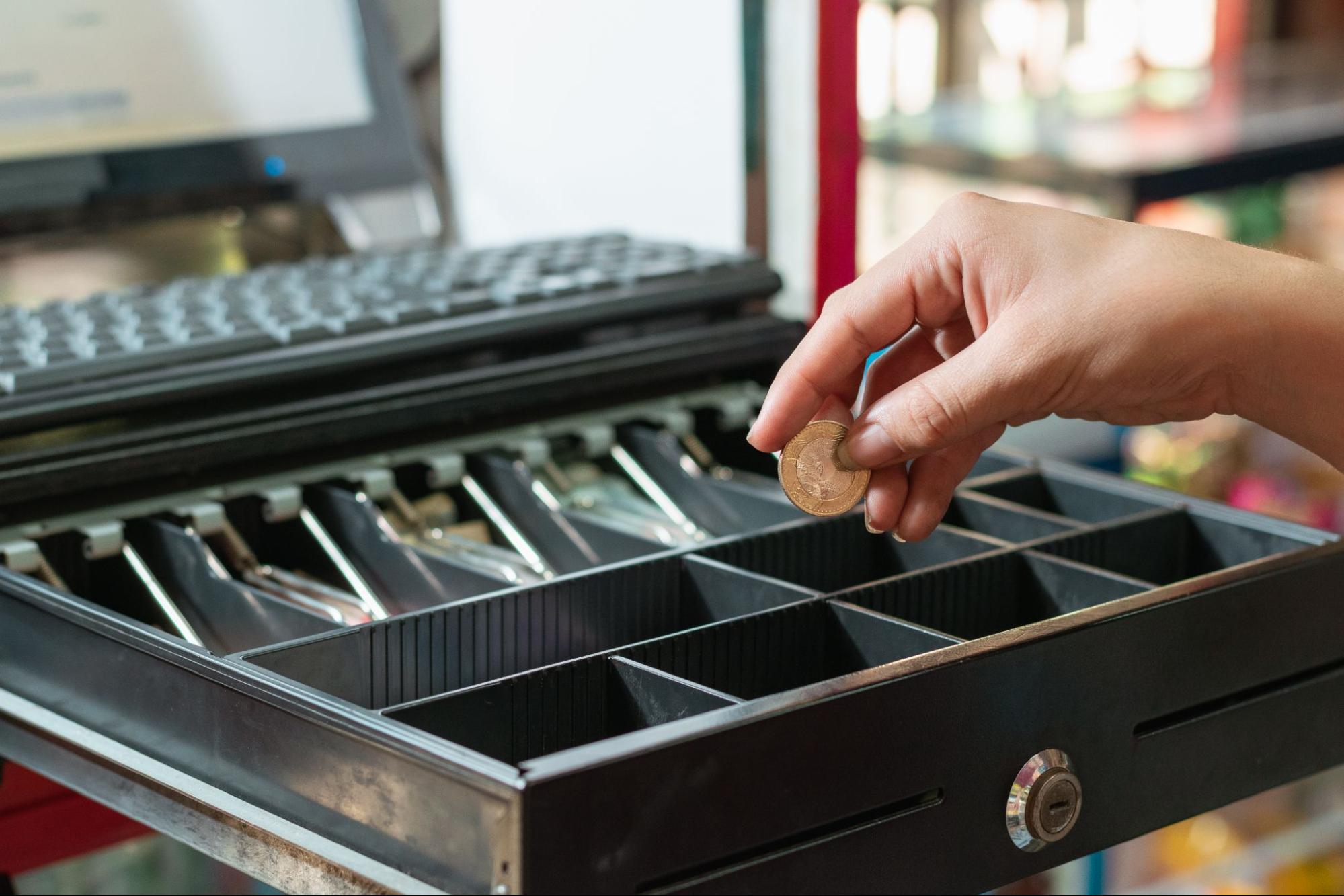
Next, count all the money in the drawer by hand. Keep coins, bills, checks, and other kinds of cash separate. Use a computer or, if you have one, a cash-counting machine to get the numbers right. It is essential to count more than once, especially if the first time doesn’t work.
4. Add Up The Cash And Look At The POS Report
Compare the amount of cash you have on hand to the numbers on your POS report. Here’s where you check to see if everything fits right. If the numbers match, it means that all of the deals for the day went smoothly. If not, we need to look into it more.
5. Look Into Discrepancies (If Any)
There may be differences, but they need to be fixed right away. First, make sure you did your math right. Check for common mistakes like sales that aren’t recorded, wrong change given, or cash that isn’t put into the system. In more critical situations, differences could mean that someone stole something or the cashier made a mistake, which should be carefully written down.
6. Write Down The Final Amount Of Cash
Once any problems have been fixed, write down the final cash count. Whether you use a computer point-of-sale system or a cash log, keeping records is essential. Write down any extras or gaps clearly and give reasons when needed. This record is added to your daily financial trail and can be used for reviews or reports.
7. Get The Cash Float Ready For The Next Shift
Before you leave, make sure the box is set to the right float amount for the next shift. If you have extra cash, put it somewhere safe, like a safe or a bank savings bag. This will keep your drawer clean and ready for the next business day.
How to Keep Your Cash Drawer Correct

For long-term success, do things that keep your file correct. One employee per shift should be in charge of the box to limit who can open it. Use a point-of-sale system that lets you track and send alerts in real-time. The Cukcuk Cloud-Based POS System is an excellent example of this. Random checks can help stop people from being dishonest and boost honesty. Finally, ensure your employees are regularly taught how to handle cash. The more skilled and sure of themselves they are, the fewer mistakes they will make.
In conclusion
It is a simple job to keep the cash drawer balanced. Still, it’s an essential part of running a business responsibly. It helps you keep track of sales, find problems early, and build trust among your team. You can organize your daily tasks and feel less stressed at the end of the day if you have a reliable point-of-sale system and follow standard procedures. Again, remember that strong POS support means you’ll never be stuck when problems arise; help is only a phone call or click away.